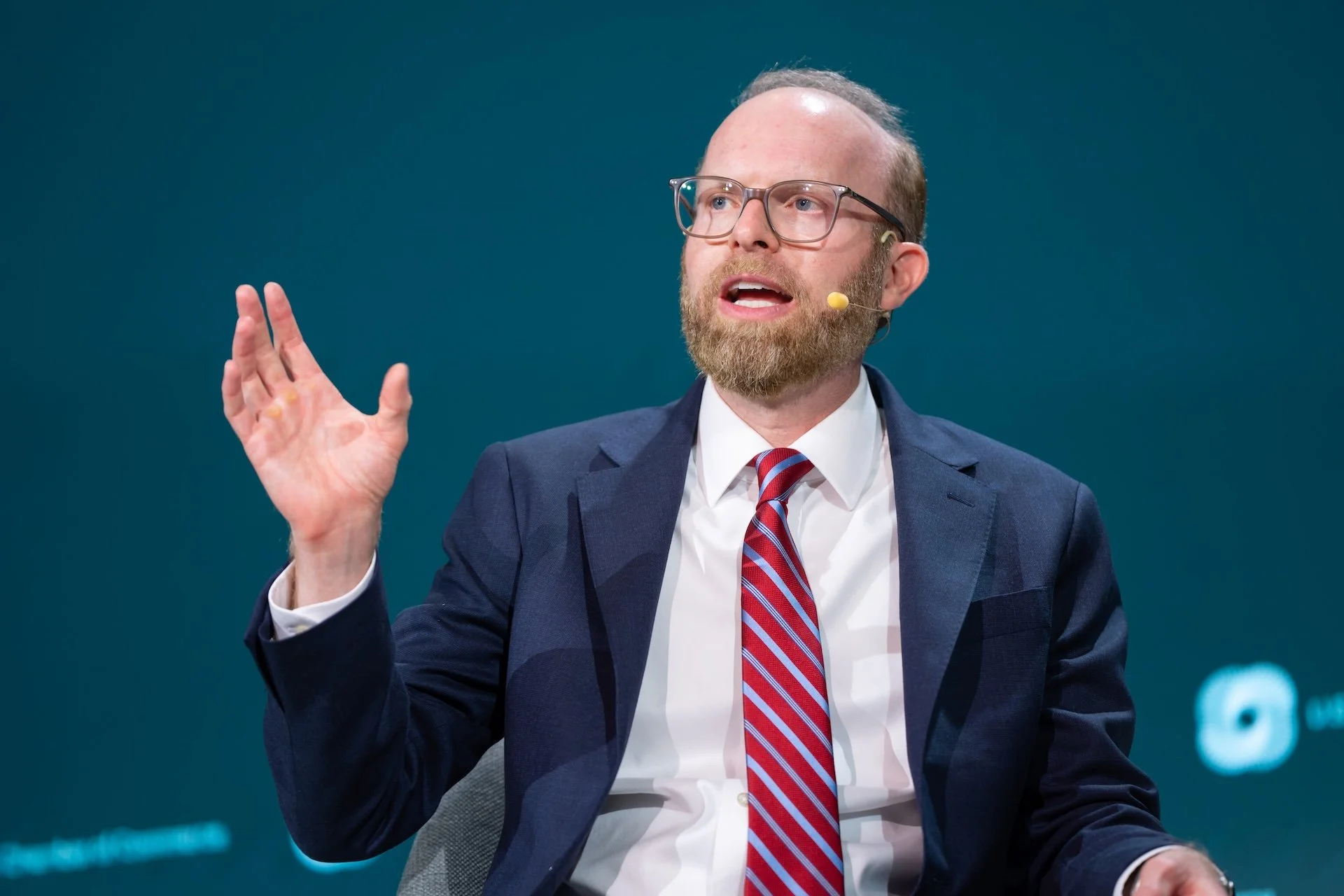
Daniel Kaniewski is a risk and resilience leader
About Dan
Daniel Kaniewski is a disaster risk and resilience leader with 25 years of experience as a senior government official, corporate executive, and presidential advisor. He advises governments and Fortune 500 clients on risk and resilience topics and is a leading authority on U.S. government resilience policies and programs. His expertise spans the emergency management, P&C insurance, and government services industries, with a particular focus on disaster resilience.
Featured Content
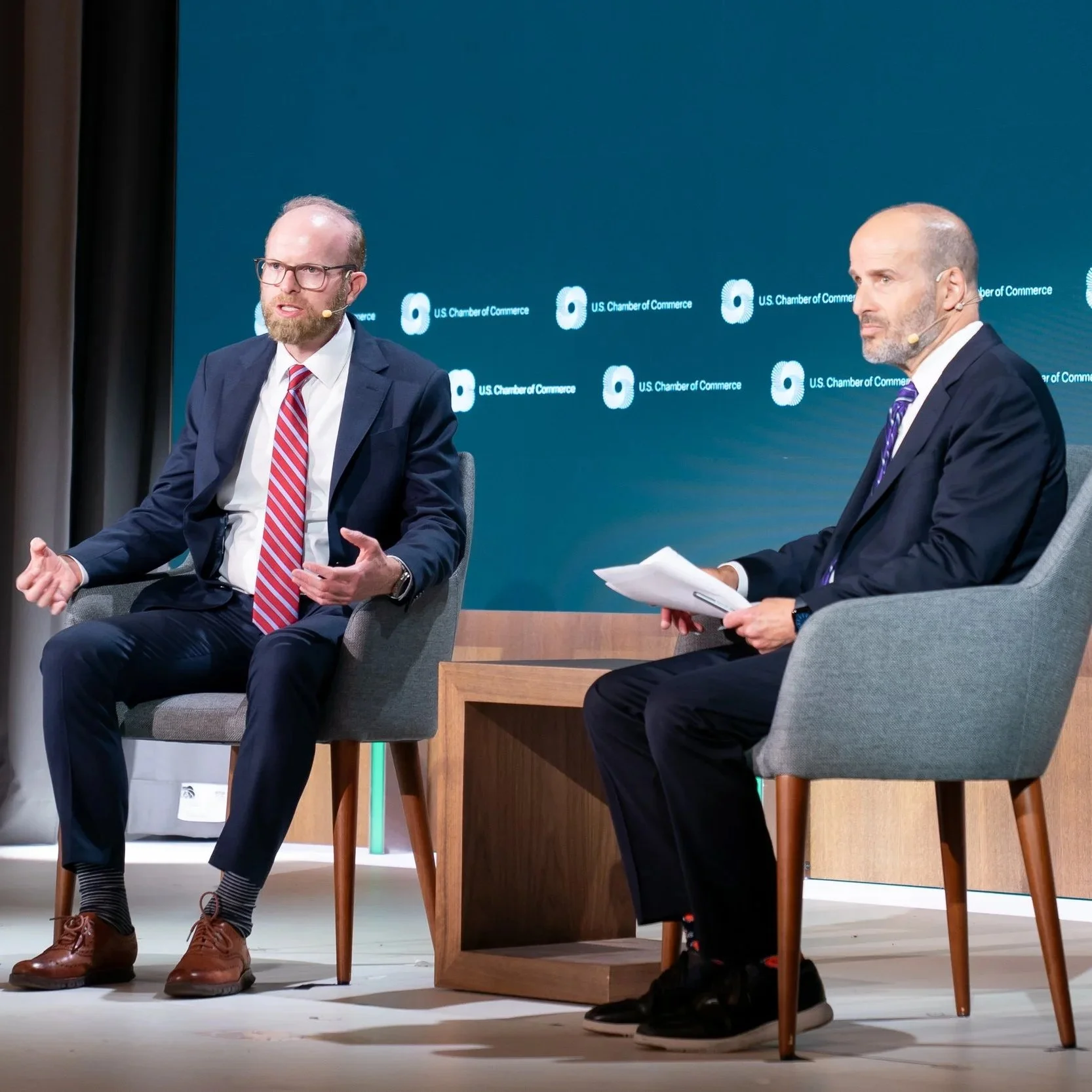
In this presentation, Dr. Daniel Kaniewski, a former senior FEMA leader and White House official, shared his firsthand experiences with 9/11, Hurricane Katrina, Hurricane Maria, and the pandemic and the lessons that he and the nation took from these disasters. Weaving in personal stories, operational details, and public policy actions, Dr. Kaniewski elucidated lessons applicable not just to those disasters but to any catastrophic event. Only by learning these lessons will history not repeat itself in the future.
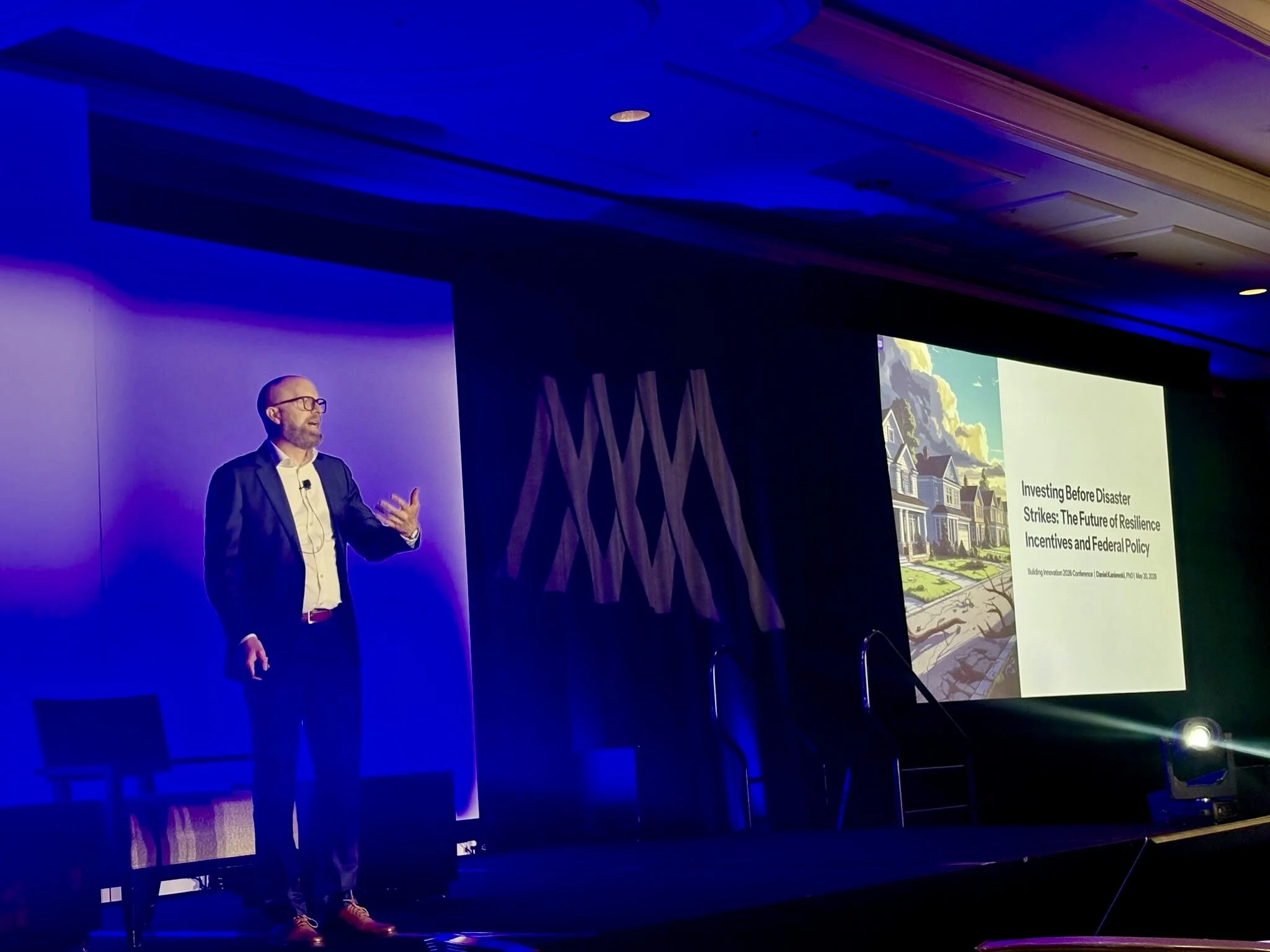
Daniel Kaniewski addressed the 2025 Marsh Global Real Estate and Hospitality Conference. He shared insights on disaster resilience, from both a public policy and operational perspective.
Daniel Kaniewski comments on states leading on disaster resilience programs.
Disaster resilience should be a shared priority, but while insurers must take the lead, they cannot shoulder the financial burden alone, according to Daniel Kaniewski, managing director for the public sector at Marsh McLennan and former deputy administrator for resilience at FEMA.
Daniel Kaniewski argues that Florida’s statewide adoption of unified, resilient building codes following Hurricane Andrew serves as a successful model for other states, demonstrating that rigorous standards save lives and billions of dollars in losses.
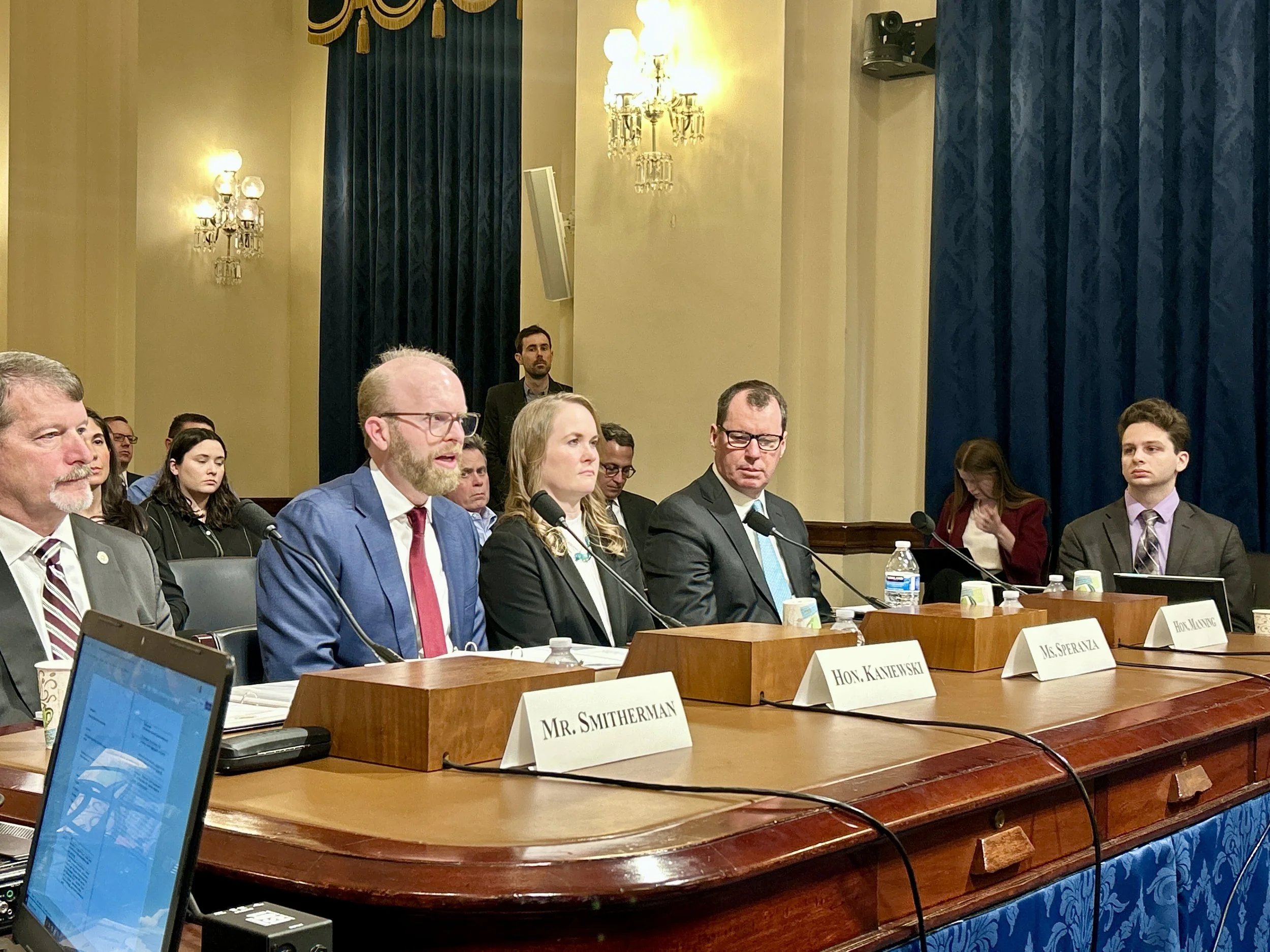
Daniel Kaniewski's testimony before the U.S. House Homeland Security Committee advocates for shifting federal disaster policy from reactive spending to proactive resilience by incentivizing state and local risk reduction, expanding private insurance markets, and reducing federal financial liabilities that discourage pre-disaster preparedness.